
Smenodonta janeirensis (Pfeiffer, 1852)
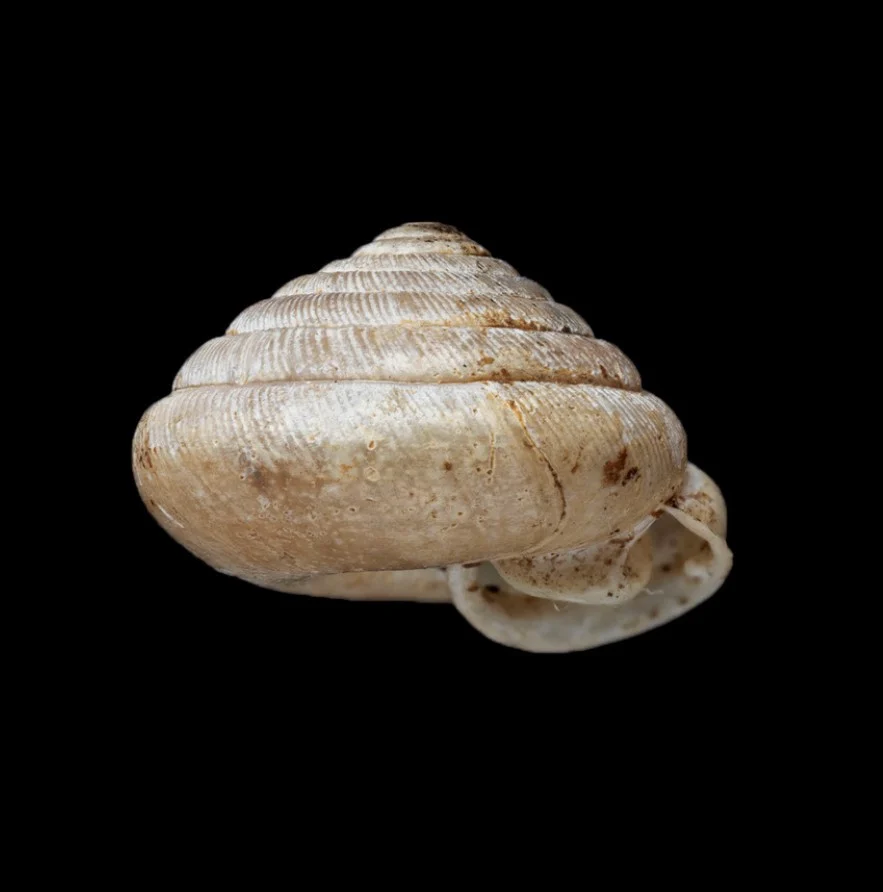
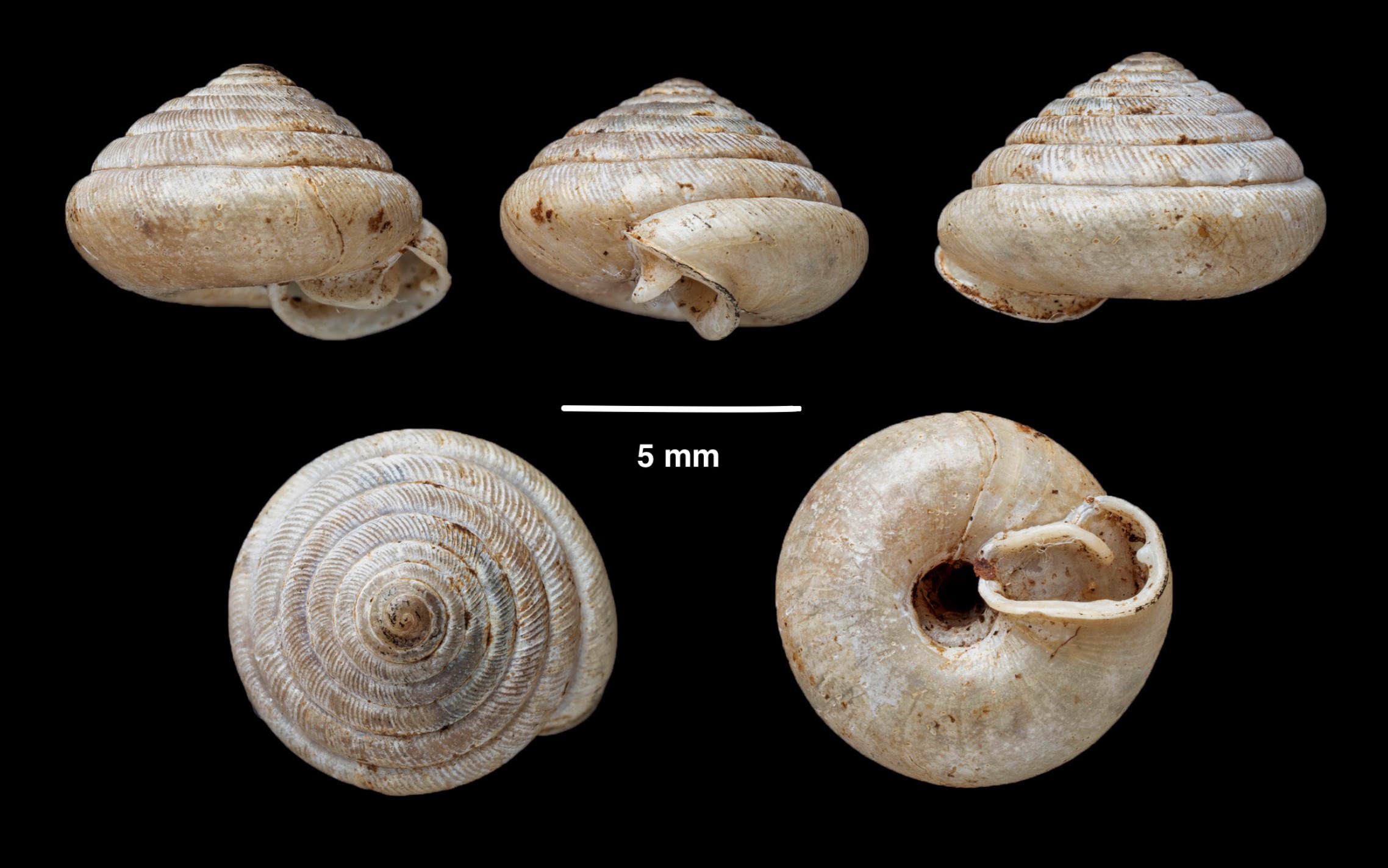
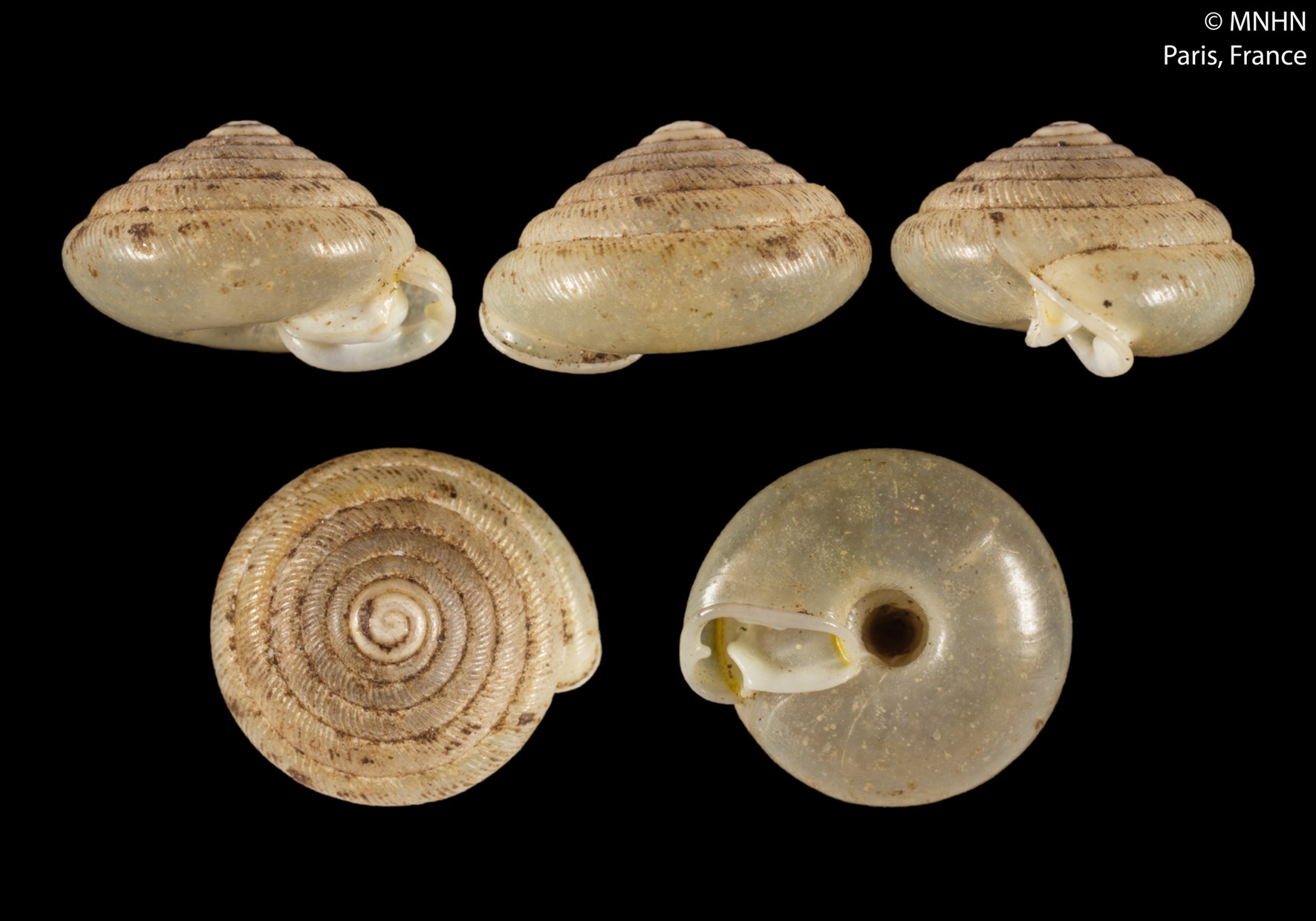
- (1,2) Natural History Museum, London: SYNTYPE de Helix janeirensis L. Pfeiffer, 1852, NHMUK 1859.5.2.1, Rio de Janeiro, doador John MacGillivray, expedição: Voyage of H.M.S. Rattlesnake, i.1847; (3) Museu Nacional de História Natural, Paris. SYNTYPE de Streptaxis crossei L. Pfeiffer, 1867; MNHN-IM-2000-30920
- Classe
- Gastropoda
- Família
- SCOLODONTIDAE
- Tamanho
- 9 mm
- Localidade tipo
- Rio de Janeiro, Brasil
- Nome original
- Helix janeirensis L. Pfeiffer, 1852
Distribuição
Ocorrência: Brasil (Rio de Janeiro)
Sinônimos
- Entodina janeirensis (Pfeiffer, 1852)
- Systropia (Entodina) janeirensis (Pfeiffer, 1852)
- Systrophia janeirensis
- Streptaxis crossei L. Pfeiffer, 1867
- Streptartemon crossei
Descrição
(Roosen, Salvador & Breure, 2025): Smenodonta janeirensis (Pfeiffer, 1852): "Shell small, width c. 10 mm, conical, with a stepped spire. Whorls 7–8, tightly coiled, with an angulation forming a shoulder. Suture well marked. Protoconch 2½ whorls, smooth; transition to teleoconch distinct. Teleoconch sculptured by strong, regularly-spaced, prosocline ribs that extend from the whorl angulation to the suture; faint ribbing may also be present immediately around umbilicus. Body whorl bend abapically immediately before the aperture in adults. Peristome slightly thickened and reflected. Aperture narrow, prosocline, D-shaped. Apertural barriers: basal/palatal barrier very weak; palatal tooth; parietal barrier long, bearing its own transversal plicae. Umbilicus c. 20% of shell width, deep."
Referências
Descrição original
- (como Helix janeirensis L. Pfeiffer, 1852) Pfeiffer, L. (1852). Neue Heliceen. Zeitschrift für Malakozoologie. 8 (8): 127-128. Cassel [between October and December]., disponível online em https://www.biodiversitylibrary.org/page/16300627 — p. 128
- Simone, L. R. L. (2006). Land and Freshwater Molluscs of Brazil. Editora Gráfica Bernardi, FAPESP. São Paulo, 390 pp. página(s): 224
- Roosen, Salvador & Breure, 2025. Revision of the genera of Scolodontidae, part 3: Entodina Ancey, 1887, Keranella gen. nov., Martinella Jousseaume, 1887, †Patagocharopa Miquel & P.E. Rodriguez, 2016, Polygyratia Gray, 1847, Ridleyconcha Christensen, 2020, Smenodonta gen. nov., Systrophia L. Pfeiffer, 1855, and Zilchistrophia Weyrauch, 1960. Journal of Conchology. Vol. 45, no. 3
- Salvador, Rodrigo & Miranda, Marcel & Santos, Fernanda & Oliveira, Cléo & Arruda, Janine & Cavallari, Daniel & Gomes, Suzete & La Pasta, Ariel & Pena, Meire & Ovando, Ximena & Rosa, Rafael & Salles, Anna Caroline & Santos, Sonia & Simone, Luiz & Marcondes Machado, Fabrizio. (2024). Checklist of the terrestrial gastropods of Brazil. Journal of Conchology. 45. 142-185
Texto original da ficha (para comparação durante os testes)
CLASSE: GASTROPODA: TERRESTRE
FAMÍLIA: SCOLODONTIDAE
ESPÉCIE: Smenodonta janeirensis (Pfeiffer, 1852)
Tamanho médio: 9 mm
Distribuição: Brasil (Rio de Janeiro)
Localidade tipo: Rio de Janeiro, Brasil
Nome original: Helix janeirensis L. Pfeiffer, 1852
Sinônimos: Entodina janeirensis (Pfeiffer, 1852); Systropia (Entodina) janeirensis (Pfeiffer, 1852); Systrophia janeirensis; Streptaxis crossei L. Pfeiffer, 1867; Streptartemon crossei
Redescrição:
(Roosen, Salvador & Breure, 2025): Smenodonta janeirensis (Pfeiffer, 1852): “Shell small, width c. 10 mm, conical, with a stepped spire. Whorls 7–8, tightly coiled, with an angulation forming a shoulder. Suture well marked. Protoconch 2½ whorls, smooth; transition to teleoconch distinct. Teleoconch sculptured by strong, regularly-spaced, prosocline ribs that extend from the whorl angulation to the suture; faint ribbing may also be present immediately around umbilicus. Body whorl bend abapically immediately before the aperture in adults. Peristome slightly thickened and reflected. Aperture narrow, prosocline, D-shaped. Apertural barriers: basal/palatal barrier very weak; palatal tooth; parietal barrier long, bearing its own transversal plicae. Umbilicus c. 20% of shell width, deep.”
Fotos: (1,2) Natural History Museum, London: SYNTYPE de Helix janeirensis L. Pfeiffer, 1852, NHMUK 1859.5.2.1, Rio de Janeiro, doador John MacGillivray, expedição: Voyage of H.M.S. Rattlesnake, i.1847; (3) Museu Nacional de História Natural, Paris. SYNTYPE de Streptaxis crossei L. Pfeiffer, 1867; MNHN-IM-2000-30920
Fontes:
Descrição original: (como Helix janeirensis L. Pfeiffer, 1852) Pfeiffer, L. (1852). Neue Heliceen. Zeitschrift für Malakozoologie. 8 (8): 127-128. Cassel [between October and December]., disponível online em https://www.biodiversitylibrary.org/page/16300627
página(s): 128
Simone, L. R. L. (2006). Land and Freshwater Molluscs of Brazil. Editora Gráfica Bernardi, FAPESP. São Paulo, 390 pp. página(s): 224
Roosen, Salvador & Breure, 2025. Revision of the genera of Scolodontidae, part 3: Entodina Ancey, 1887, Keranella gen. nov., Martinella Jousseaume, 1887, †Patagocharopa Miquel & P.E. Rodriguez, 2016, Polygyratia Gray, 1847, Ridleyconcha Christensen, 2020, Smenodonta gen. nov., Systrophia L. Pfeiffer, 1855, and Zilchistrophia Weyrauch, 1960. Journal of Conchology. Vol. 45, no. 3
Salvador, Rodrigo & Miranda, Marcel & Santos, Fernanda & Oliveira, Cléo & Arruda, Janine & Cavallari, Daniel & Gomes, Suzete & La Pasta, Ariel & Pena, Meire & Ovando, Ximena & Rosa, Rafael & Salles, Anna Caroline & Santos, Sonia & Simone, Luiz & Marcondes Machado, Fabrizio. (2024). Checklist of the terrestrial gastropods of Brazil. Journal of Conchology. 45. 142-185
Molluscabase: https://www.molluscabase.org/aphia.php?p=taxdetails&id=1424829