
Cratis antillensis (Dall, 1881)
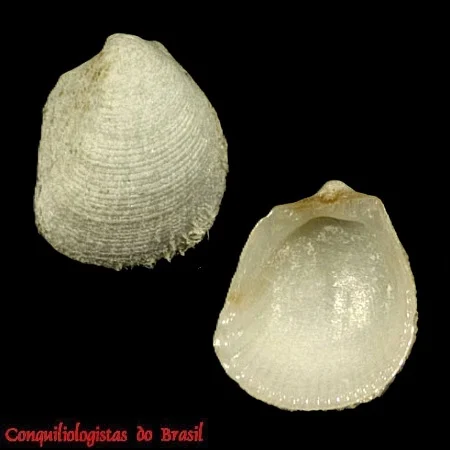
- Foto A: Bahamas. 4 mm. NMR – Museu de História Natural de Roterdam. Slieker F J A, van der Es H, Andeweg R, Langeveld B W, Schnörr S (2024). Natural History Museum Rotterdam - Specimens. Version 1.45. Natural History Museum Rotterdam. Occurrence dataset https://doi.org/10.15468/ kwqaay accessed via GBIF.org on 2025-07-11. https://gbif.org/occurrence/2570090040
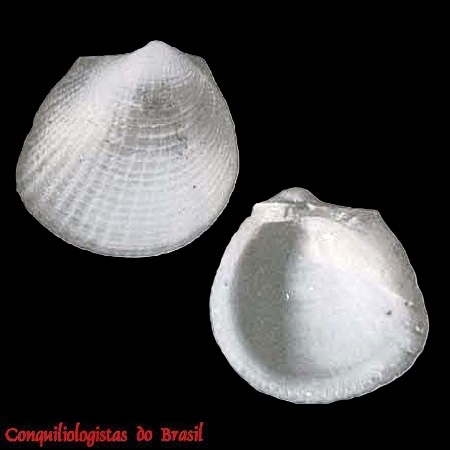
- Foto B: Norte do Brasil. 7 mm. Departamento de Paleontologia e Estratigrafia do Instituto de Geociencias da Universidade Federal do Rio Grande do Sul
Referências
Descrição original
- Dall, W. H. (1881). Reports on the results of dredging, under the supervision of Alexander Agassiz, in the Gulf of Mexico and in the Caribbean Sea (1877-78), by the United States Coast Survey Steamer "Blake", Lieutenant-Commander C.D. Sigsbee, U.S.N., and Commander J.R. Bartlett, U.S.N., commanding. XV. Preliminary report on the Mollusca. Bulletin of the Museum of Comparative Zoology at Harvard College. 9(2): 33-144., available online at http://biodiversitylibrary.org/page/6353276 page(s): p. 119-120
Outras fontes
- Forti Esteves, I. R. (1984). Recent bivalves (Palaeotaxodonta and Pteriomorphia) from the Brazilian continental shelf. Pesquisas [Porto Alegre]. 16: 190-226. — p. 197, pl. 5 figs 50-53..
Texto original da ficha (para comparação durante os testes)
CLASSE: BIVALVIA: MARINHA
FAMÍLIA: LIMOPSIDAE
ESPÉCIE: Cratis antillensis (Dall, 1881)
Tamanho médio: 4 – 7 mm
Profundidade: 145 – 1230 m
Habitat: substrato areno-lodoso, rico em matéria orgânica
Alimentação: filtrador
Frequência: rara
Ocorrência no Brasil: AP até CE
Localidade Tipo: off Havana, Cuba
Descrição original: Dall, W. H. (1881). Reports on the results of dredging, under the supervision of Alexander Agassiz, in the Gulf of Mexico and in the Caribbean Sea (1877-78), by the United States Coast Survey Steamer “Blake”, Lieutenant-Commander C.D. Sigsbee, U.S.N., and Commander J.R. Bartlett, U.S.N., commanding. XV. Preliminary report on the Mollusca. Bulletin of the Museum of Comparative Zoology at Harvard College. 9(2): 33-144., available online at http://biodiversitylibrary.org/page/6353276 page(s): p. 119-120
Referência: Forti Esteves, I. R. (1984). Recent bivalves (Palaeotaxodonta and Pteriomorphia) from the Brazilian continental shelf. Pesquisas [Porto Alegre]. 16: 190-226.
page(s): 197, pl. 5 figs 50-53..
WoRMS: https://www.marinespecies.org/aphia.php?p=taxdetails&id=420733
Foto A: Bahamas. 4 mm. NMR – Museu de História Natural de Roterdam. Slieker F J A, van der Es H, Andeweg R, Langeveld B W, Schnörr S (2024). Natural History Museum Rotterdam – Specimens. Version 1.45. Natural History Museum Rotterdam. Occurrence dataset https://doi.org/10.15468/ kwqaay accessed via GBIF.org on 2025-07-11. https://gbif.org/occurrence/2570090040
Foto B: Norte do Brasil. 7 mm. Departamento de Paleontologia e Estratigrafia do Instituto de Geociencias da Universidade Federal do Rio Grande do Sul