
Bartlettia stephanensis (Moricand, 1858)
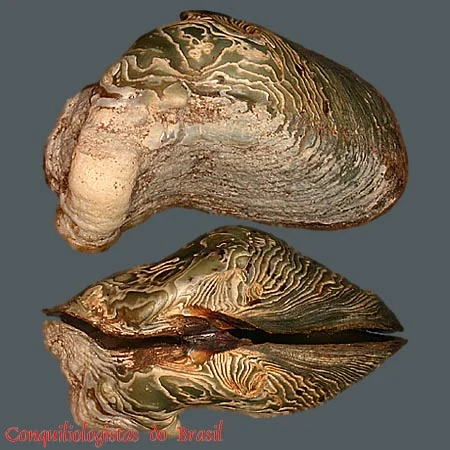
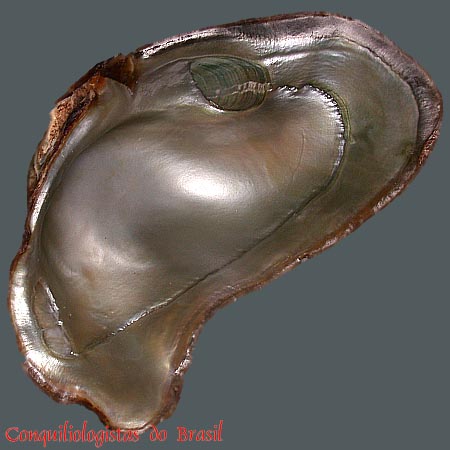
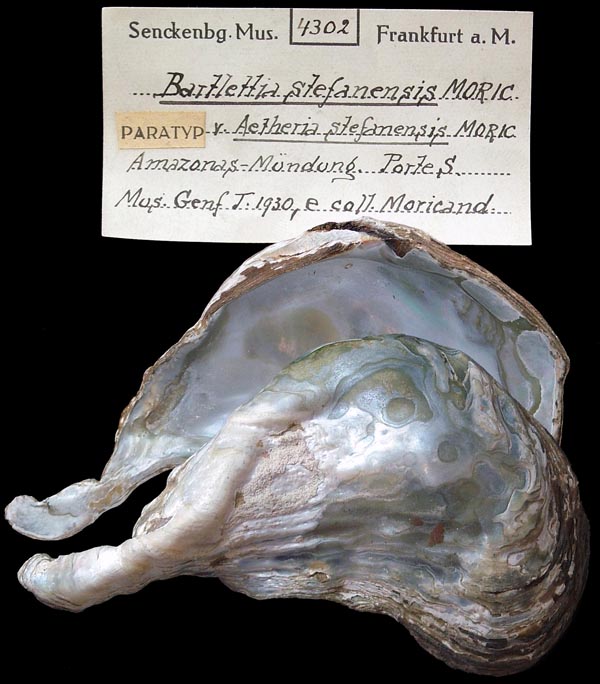
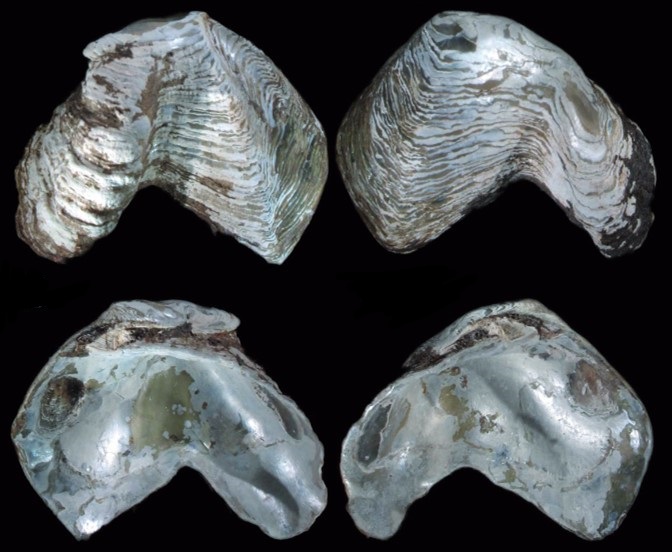
- (1-2) Bartlettia stephanensis, Rio Nioáque, Mato Grosso, 55mm, coll. Carlos Henckes; (3) PARATYPE de Bartlettia stephanensis, SMF 4302 in Graf, D.L. & K.S. Cummings. [2024]; (4) Museu de Zoologia de São Paulo, PARATYPE de Bartlettia gutmansi (Lange de Morretes, 1941), Rio Nioáque, Mato Grosso, MZSP 14589
- Classe
- Bivalvia
- Família
- ETHERIIDAE
- Tamanho
- 50 - 120 mm
- Profundidade
- 0 - 10 m
- Habitat
- vive sob ou sobre pedras e em fundos de cascalho de coral, pedra ou conchas
- Localidade tipo
- "Amazonas, Mündung [Delta] Porte S"
- Nome original
- Etheria stefanensis J. Moricand, 1856
Distribuição
Ocorrência: Paraguai, Bolívia, Peru, Brasil (Pará, Mato Grosso)
Sinônimos
- Rochanaia gutmansi Morretes, 1941
- Bartlettia gutmansi (Lange de Morretes, 1941)
Referências
Descrição original
- (como Etheria stefanensis J. Moricand, 1856) Moricand, J. (1856). Description de quelques nouvelles espèces de coquilles du Pérou. Journal de Conchyliologie. 5: 175-181., disponível online em https://www.biodiversitylibrary.org/page/15862234 — p. 178, pl. 7 fig. 10
- Breure, Abraham S. H., and Emmanuel Tardy. 2020. “From the shadows of the past: Moricand senior and junior, two 19th century naturalists from Geneva, with their newly described taxa and molluscan types.” Revue suisse de zoologie 123 (1): 113–138, disponível online em https://www.biodiversitylibrary.org/part/304335
- Pereira, D.; Mansur, M. C. D.; Duarte, L. D. S.; De Oliveira, A. S.; Pimpão, D. M.; Callil, C. T.; Ituarte, C.; Parada, E.; Peredo, S.; Darrigran, G.; Scarabino, F.; Clavijo, C.; Lara, G.; Miyahira, I. C.; Rodriguez, M. T. R.; Lasso, C. (2014). Bivalve distribution in hydrographic regions in South America: historical overview and conservation. Hydrobiologia. 735:15–44., disponível online em https://doi.org/10.1007/s10750-013-1639-x
Outras fontes
- Graf, D.L. & K.S. Cummings. [2024]. The Freshwater Mussels (Unionoida) of the World (and other less consequential bivalves). MUSSEL Project Web Site, disponível online em http://www.mussel-project.net/. Accessed 23/06/2024
Texto original da ficha (para comparação durante os testes)
CLASSE: BIVALVIA: ÁGUA DOCE
FAMÍLIA: ETHERIIDAE
ESPÉCIE: Bartlettia stephanensis (Moricand, 1858)
Tamanho médio: 50 – 120 mm
Profundidade: 0 – 10 m
Habitat: vive sob ou sobre pedras e em fundos de cascalho de coral, pedra ou conchas
Ocorrência: Paraguai, Bolívia, Peru, Brasil (Pará, Mato Grosso)
Localidade Tipo: “Amazonas, Mündung [Delta] Porte S”
Nome original: Etheria stefanensis J. Moricand, 1856
Sinônimos: Rochanaia gutmansi Morretes, 1941; Bartlettia gutmansi (Lange de Morretes, 1941)
Fotos: (1-2) Bartlettia stephanensis, Rio Nioáque, Mato Grosso, 55mm, coll. Carlos Henckes; (3) PARATYPE de Bartlettia stephanensis, SMF 4302 in Graf, D.L. & K.S. Cummings. [2024]; (4) Museu de Zoologia de São Paulo, PARATYPE de Bartlettia gutmansi (Lange de Morretes, 1941), Rio Nioáque, Mato Grosso, MZSP 14589
Fontes:
Graf, D.L. & K.S. Cummings. [2024]. The Freshwater Mussels (Unionoida) of the World (and other less consequential bivalves). MUSSEL Project Web Site, disponível online em http://www.mussel-project.net/. Accessed 23/06/2024
Descrição original: (como Etheria stefanensis J. Moricand, 1856) Moricand, J. (1856). Description de quelques nouvelles espèces de coquilles du Pérou. Journal de Conchyliologie. 5: 175-181., disponível online em https://www.biodiversitylibrary.org/page/15862234
página(s): 178, pl. 7 fig. 10
Breure, Abraham S. H., and Emmanuel Tardy. 2020. “From the shadows of the past: Moricand senior and junior, two 19th century naturalists from Geneva, with their newly described taxa and molluscan types.” Revue suisse de zoologie 123 (1): 113–138, disponível online em https://www.biodiversitylibrary.org/part/304335
Pereira, D.; Mansur, M. C. D.; Duarte, L. D. S.; De Oliveira, A. S.; Pimpão, D. M.; Callil, C. T.; Ituarte, C.; Parada, E.; Peredo, S.; Darrigran, G.; Scarabino, F.; Clavijo, C.; Lara, G.; Miyahira, I. C.; Rodriguez, M. T. R.; Lasso, C. (2014). Bivalve distribution in hydrographic regions in South America: historical overview and conservation. Hydrobiologia. 735:15–44., disponível online em https://doi.org/10.1007/s10750-013-1639-x
Molluscabase: https://www.molluscabase.org/aphia.php?p=taxdetails&id=1350968