
Habeas priscus Simone, 2013
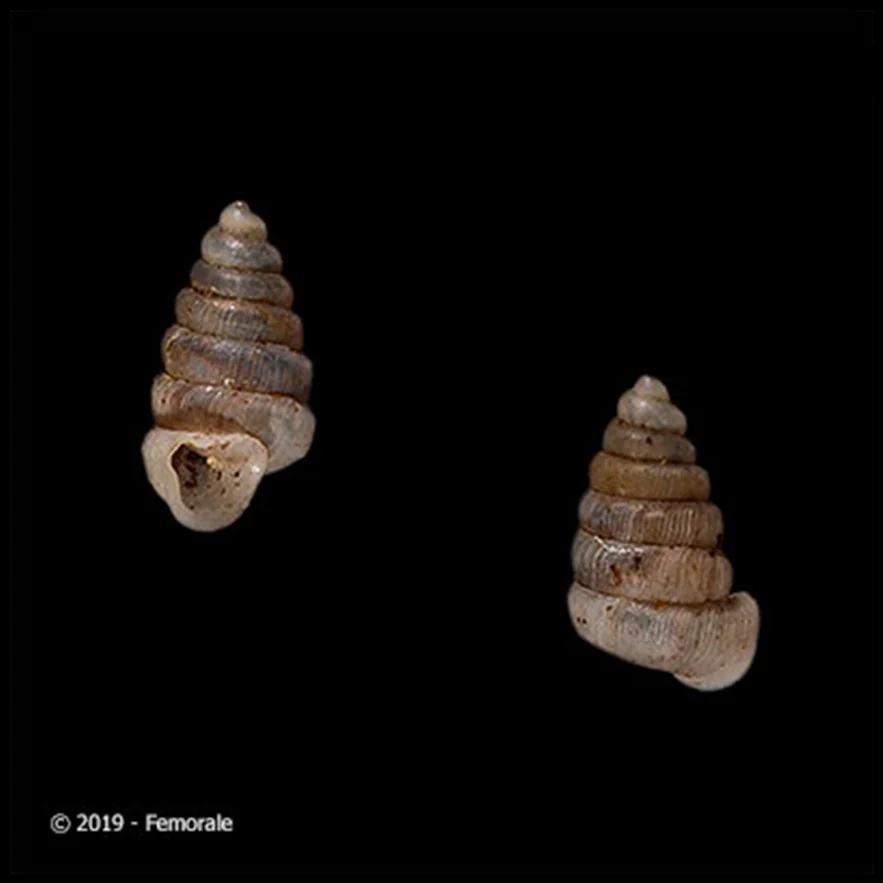
- (1) cortesia Femorale, 2019, Bahia, TOPOTYPE, 4.5 mm
- Classe
- Gastropoda
- Família
- UROCOPTIDAE
- Tamanho
- ~4.5 mm
- Habitat
- ambiente de cavernas, Caatinga
- Localidade tipo
- Brasil, Bahia, Central, Boqueirão do Maxixe
Distribuição
Ocorrência: Brasil (Bahia)
Etimologia
o nome da espécie vem do latim "priscus", que significa 'tempos ancestrais', antigo; uma alusão à aparência antiga da concha
Figuras
Simone, 2013: Museu de Zoologia de São Paulo, Habeas priscus HOLOTYPE MZ 103044, ~4.6mm
Referências
Descrição original
- Simone, L. R. L. (2013). Habeas, a new genus of Diplommatinidae from Central Bahia, Brazil (Caenogastropoda), with description of three new species. Journal of Conchology. 41(4): 519-525 — p. 522, figs 11–17
- Simone, L.R.L. (2022). Review of the genus Habeas from Brazil, with description of four new species and in which anatomical features revealed that they belong to Urocoptidae (Eupulmonata, Stylommatophora). Malacologia. 64(2): 269-286., disponível online em https://doi.org/10.4002/040.064.0209
Texto original da ficha (para comparação durante os testes)
CLASSE: GASTROPODA: TERRESTRE
FAMÍLIA: UROCOPTIDAE
ESPÉCIE: Habeas priscus Simone, 2013
Tamanho médio: ~4.5 mm
Habitat: ambiente de cavernas, Caatinga
Ocorrência: Brasil (Bahia)
Localidade tipo: Brasil, Bahia, Central, Boqueirão do Maxixe
Etimologia: o nome da espécie vem do latim “priscus“, que significa ‘tempos ancestrais’, antigo; uma alusão à aparência antiga da concha
Fotos: (1) cortesia Femorale, 2019, Bahia, TOPOTYPE, 4.5 mm
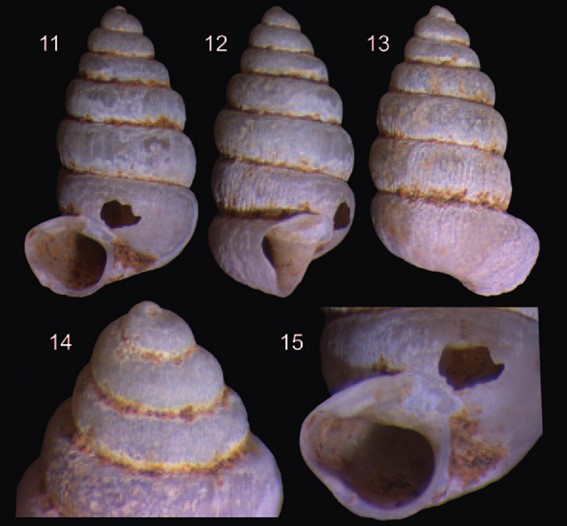
Figura: Simone, 2013: Museu de Zoologia de São Paulo, Habeas priscus HOLOTYPE MZ 103044, ~4.6mm
Fontes:
Descrição original: Simone, L. R. L. (2013). Habeas, a new genus of Diplommatinidae from Central Bahia, Brazil (Caenogastropoda), with description of three new species. Journal of Conchology. 41(4): 519-525
página(s): 522, figs 11–17
Simone, L.R.L. (2022). Review of the genus Habeas from Brazil, with description of four new species and in which anatomical features revealed that they belong to Urocoptidae (Eupulmonata, Stylommatophora). Malacologia. 64(2): 269-286., disponível online em https://doi.org/10.4002/040.064.0209
Molluscabase: https://www.molluscabase.org/aphia.php?p=taxdetails&id=1347531