
Naesiotus prepinguis Vagvolgyi, 1977
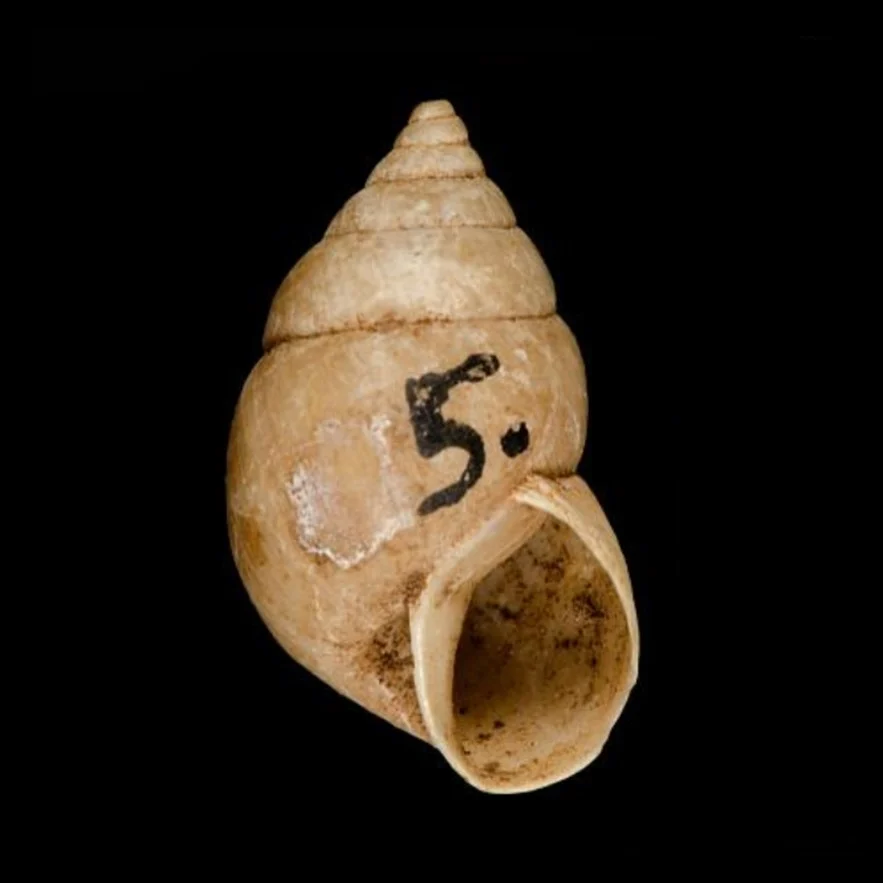
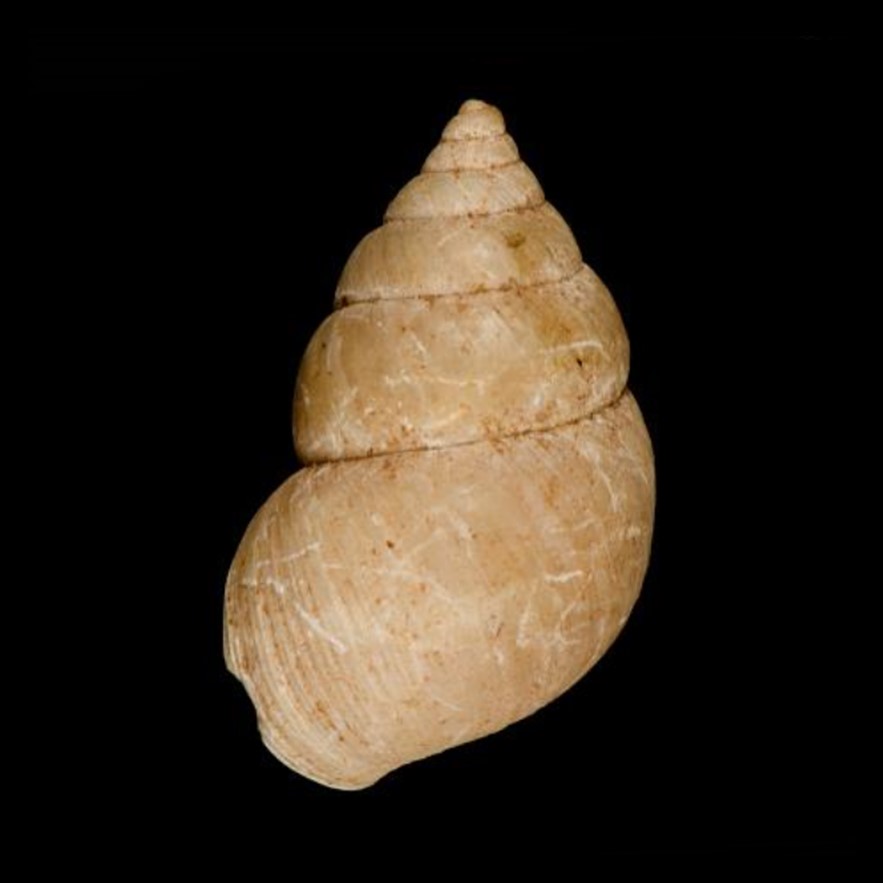
- (1-3) Smithsonian National Museum of Natural History, HOLOTYPE USNM 757720, "Pinzon (Duncan) Id., near secondary peak, near secondary peak, north of crater at 800-860", coletador: Vagvolgyi, J.
- Classe
- Gastropoda
- Família
- BULIMULIDAE
- Tamanho
- 15 - 16.7 mm
- Altitude
- 260 m
- Localidade tipo
- Equador, Galápagos, "Pinzon (Duncan) Island, on the secondary peak (864 ft), north of the crater; in transitional type of vegetation"
- Nome original
- Naesiotus prepinguis Vagvolgyi, 1977
Distribuição
Ocorrência: Equador, Arquipélago de Galápagos, Ilha de Pinzón
Referências
Descrição original
- (Vagvolgyi, 1977): "The shell has a highly elevated spire, with oval outlines; however, often a slight concavity is noticeable at the second and third whorls. Shell height 15.0-16.7 mm, width 9.0-10.0 mm. There are 6.2-6.7 moderately convex whorls; the body whorl is large, it makes up 68-72% of the total height of the shell; the embryonic shell consists of 1.8-2.1 whorls. The umbilicus although wider than usual in Galapagos Naesiotus, is still narrow, 1.3-3.2 mm in diameter. The fresh shell is of brown color; the shells ol living specimens have not been seen, however.
- The sculpture of tln> embryonic whorls is composed of widely spaced, fine, transverse riblets, 10 1- per mm at the end of the first whorl, 12-16, at that of the second; the postembryonic whorls bear irregularly spaced, broad, low striae 1 and weak, intermittent spiral lines. The aperture is large, oval shaped except that the joint of the basal and columellar lips is somewhat angular; this angularity corresponds to a crest that forms the base ol the last whorl; the outer and basal lips are sharp, not reflected, while the columellar lip is moderately thick and reflected; a slight callus is present on the parietal wall; teeth and lamellae are absent.
- Vagvolgyi, J. (1977). Six new species and subspecies of Naesiotus from the Galápagos islands (Pulmonata: Bulimulidae). Proceedings of the Biological Society of Washington. 90: 764-777., disponível online em https://www.biodiversitylibrary.org/page/39058530 — p. 775
- Breure, A. S. H. & Borrero, F. J. (2008). An annotated checklist of the land snail family Orthalicidae (Gastropoda: Pulmonata: Orthalicoidea) in Ecuador, with notes on the distribution of the mainland species. Zootaxa. 1768: 1-40., disponível online em https://www.biotaxa.org/Zootaxa/article/view/zootaxa.1768.1.1 — p. 15
Texto original da ficha (para comparação durante os testes)
CLASSE: GASTROPODA: TERRESTRE
FAMÍLIA: BULIMULIDAE
ESPÉCIE: Naesiotus prepinguis Vagvolgyi, 1977
Tamanho médio: 15 – 16.7 mm
Ocorrência: Equador, Arquipélago de Galápagos, Ilha de Pinzón
Localidade tipo: Equador, Galápagos, “Pinzon (Duncan) Island, on the secondary peak (864 ft), north of the crater; in transitional type of vegetation”
Altitude: 260 m
Nome original: Naesiotus prepinguis Vagvolgyi, 1977
Descrição original:
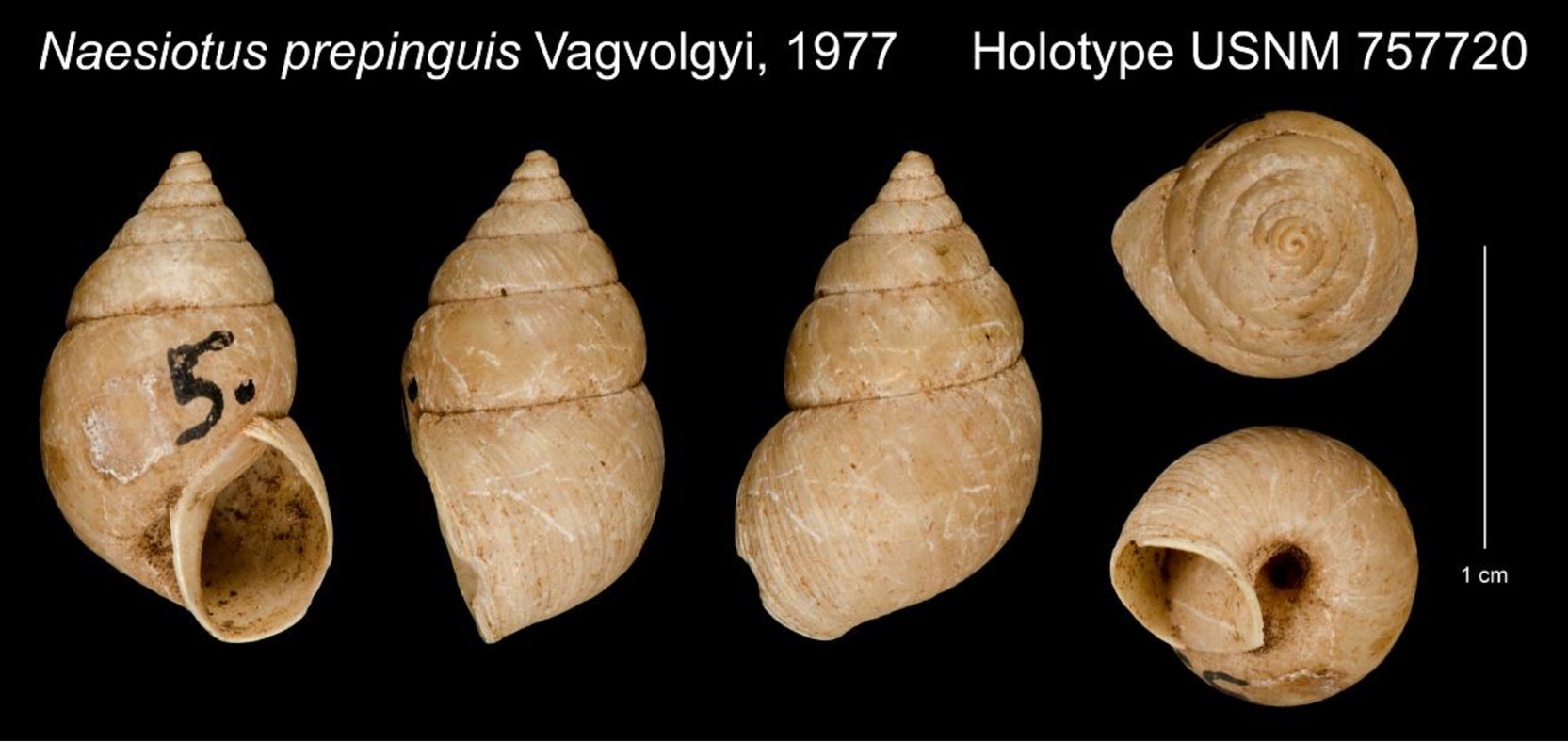
(Vagvolgyi, 1977): “The shell has a highly elevated spire, with oval outlines; however, often a slight concavity is noticeable at the second and third whorls. Shell height 15.0-16.7 mm, width 9.0-10.0 mm. There are 6.2-6.7 moderately convex whorls; the body whorl is large, it makes up 68-72% of the total height of the shell; the embryonic shell consists of 1.8-2.1 whorls. The umbilicus although wider than usual in Galapagos Naesiotus, is still narrow, 1.3-3.2 mm in diameter. The fresh shell is of brown color; the shells ol living specimens have not been seen, however.
The sculpture of tln> embryonic whorls is composed of widely spaced, fine, transverse riblets, 10 1- per mm at the end of the first whorl, 12-16, at that of the second; the postembryonic whorls bear irregularly spaced, broad, low striae 1 and weak, intermittent spiral lines. The aperture is large, oval shaped except that the joint of the basal and columellar lips is somewhat angular; this angularity corresponds to a crest that forms the base ol the last whorl; the outer and basal lips are sharp, not reflected, while the columellar lip is moderately thick and reflected; a slight callus is present on the parietal wall; teeth and lamellae are absent.
Fotos: (1-3) Smithsonian National Museum of Natural History, HOLOTYPE USNM 757720, “Pinzon (Duncan) Id., near secondary peak, near secondary peak, north of crater at 800-860”, coletador: Vagvolgyi, J.
Fontes:
Descrição original: Vagvolgyi, J. (1977). Six new species and subspecies of Naesiotus from the Galápagos islands (Pulmonata: Bulimulidae). Proceedings of the Biological Society of Washington. 90: 764-777., disponível online em https://www.biodiversitylibrary.org/page/39058530
página(s): 775
Breure, A. S. H. & Borrero, F. J. (2008). An annotated checklist of the land snail family Orthalicidae (Gastropoda: Pulmonata: Orthalicoidea) in Ecuador, with notes on the distribution of the mainland species. Zootaxa. 1768: 1-40., disponível online em https://www.biotaxa.org/Zootaxa/article/view/zootaxa.1768.1.1
página(s): 15
MolluscaBase: https://www.molluscabase.org/aphia.php?p=taxdetails&id=1597623